A selection of excursions and activities around Playa del Inglés and across the whole island, sorted by travel time from the club. Use the filter to quickly find what suits you.
Nature & hiking
Maspalomas dunes
Travel time from the clubon foot or by bike
Duration1–3 hours
Maspalomas
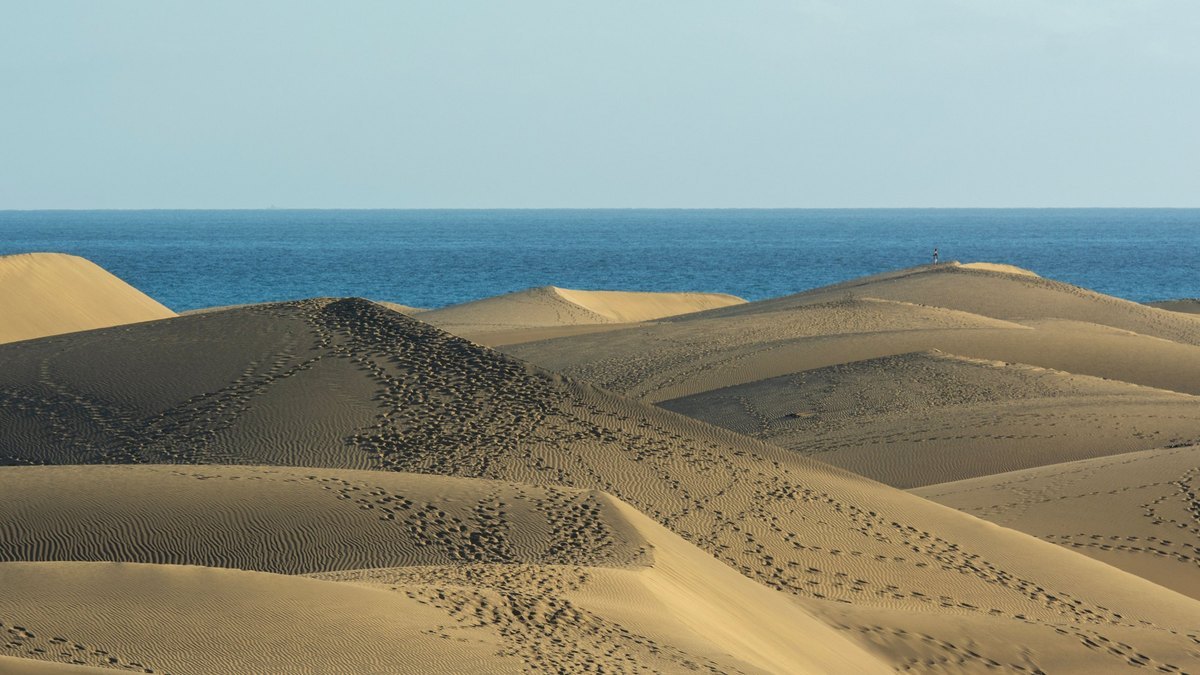
The Maspalomas dunes are a nature reserve of around 400 hectares of sand, lagoon and palm oasis, right next to the club. Step inside and you quickly feel as if you were in the middle of a desert: the sand hills change shape with the wind, and from the highest ridges you can see all the way to the sea.
You can walk from the beach into the dunes and continue to the Maspalomas lighthouse; one way takes about an hour, depending on your pace. Water birds are often seen at the Charco lagoon and around the palms. The dunes are protected, so please stay on the paths and do not take anything with you.
Tip: Most beautiful early in the morning or at sunset. Bring sturdy shoes, sun protection and water.
Family & leisure
Aqualand Maspalomas
Travel time from the clubapprox. 10 min
Durationa day
Maspalomas
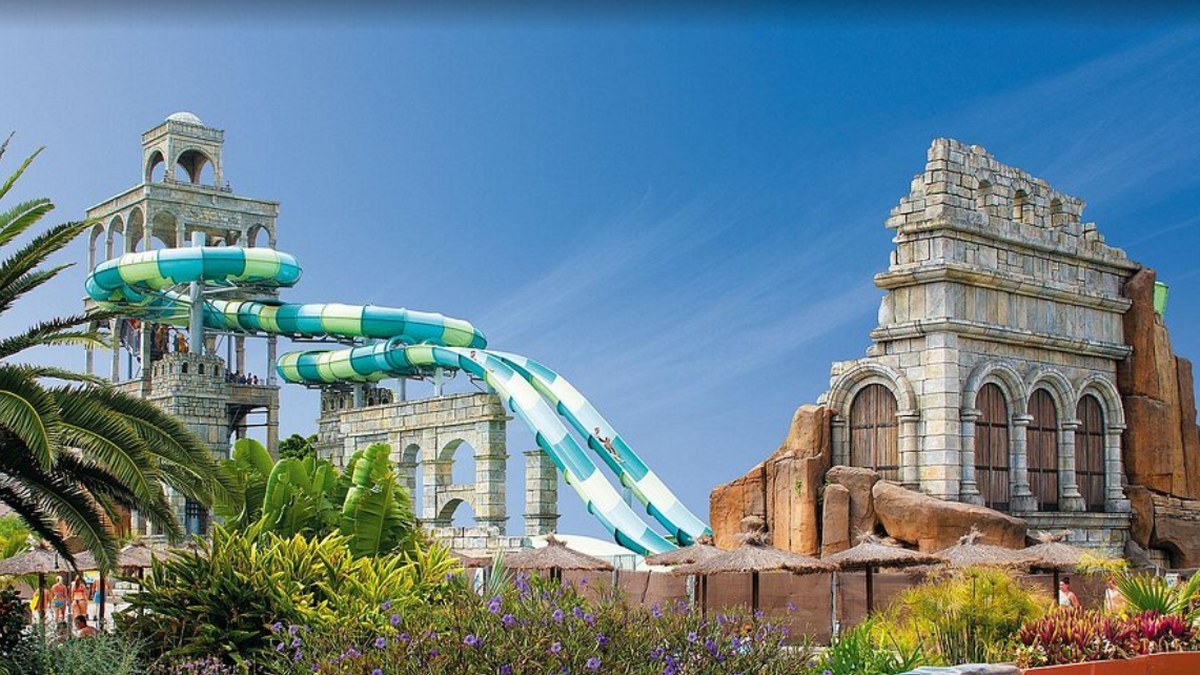
Aqualand is the big water park in the south of the island and a popular family day out. There are slides of different levels of difficulty, a wave pool, a slow lazy river to drift along and a separate area for small children with shallow water.
It is best to plan a whole day. Food and drink are available in the park, and shaded loungers fill up quickly on hot days. The big slides have minimum heights and some age limits, which you can find out on site or in advance on the park’s website. A small backpack with a towel, sun cream and water shoes is all you need.
Tip: Check opening hours and prices on the park’s website beforehand. Don’t forget towels, sun cream and water shoes.
Sea & beaches
Beaches in the south
Travel time from the clubapprox. 20 min
Durationhalf to full day
Maspalomas, Meloneras, Anfi, Amadores
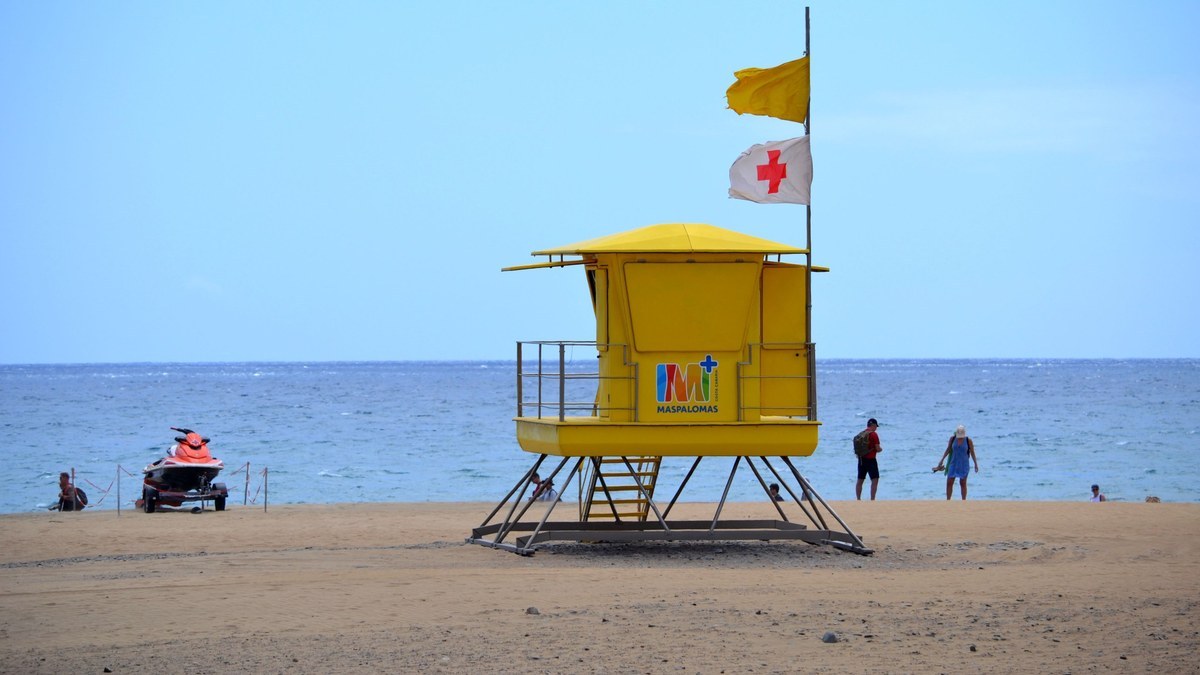
The south of Gran Canaria has beaches for every taste. Right in front of the club lies the long, open beach of Playa del Inglés with its backdrop of dunes; in Meloneras there is a lovely promenade with restaurants and shops. Anfi bay surprises with light, calm sand, and Amadores is a sheltered bay with a gentle entry into the water that suits families well.
All beaches have loungers and parasols for hire, showers and places to eat nearby. The route on the map leads to Amadores; the other beaches lie on the way. Pay attention to the lifeguards’ flags: swimming is dangerous when the red flag is flying.
Tip: Amadores offers good shelter when it is windy. Pay attention to the lifeguards’ flags.
Family & leisure
Palmitos Park
Travel time from the clubapprox. 20 min
Durationhalf to full day
Maspalomas / Barranco de Fataga
Palmitos Park lies in a green palm oasis in the Fataga ravine and combines a zoo with a botanical garden. You can see parrots, birds of prey, flamingos, orchids and an aquarium, among other things. The paths lead through the valley in the shade of the palms, and the tour is easy to do with children.
The bird shows, in which parrots and birds of prey show their skills, are especially popular. Ask for the times at the entrance and plan your tour around them. Allow several hours; sturdy shoes, a sun hat and water are useful. The park combines well with Aqualand or lunch in nearby Fataga.
Tip: Ask for the show times at the entrance and plan your visit around them.
Food & drink
Fresh fish in Arguineguín
Travel time from the clubapprox. 20 min
Duration1–2 hours
Arguineguín
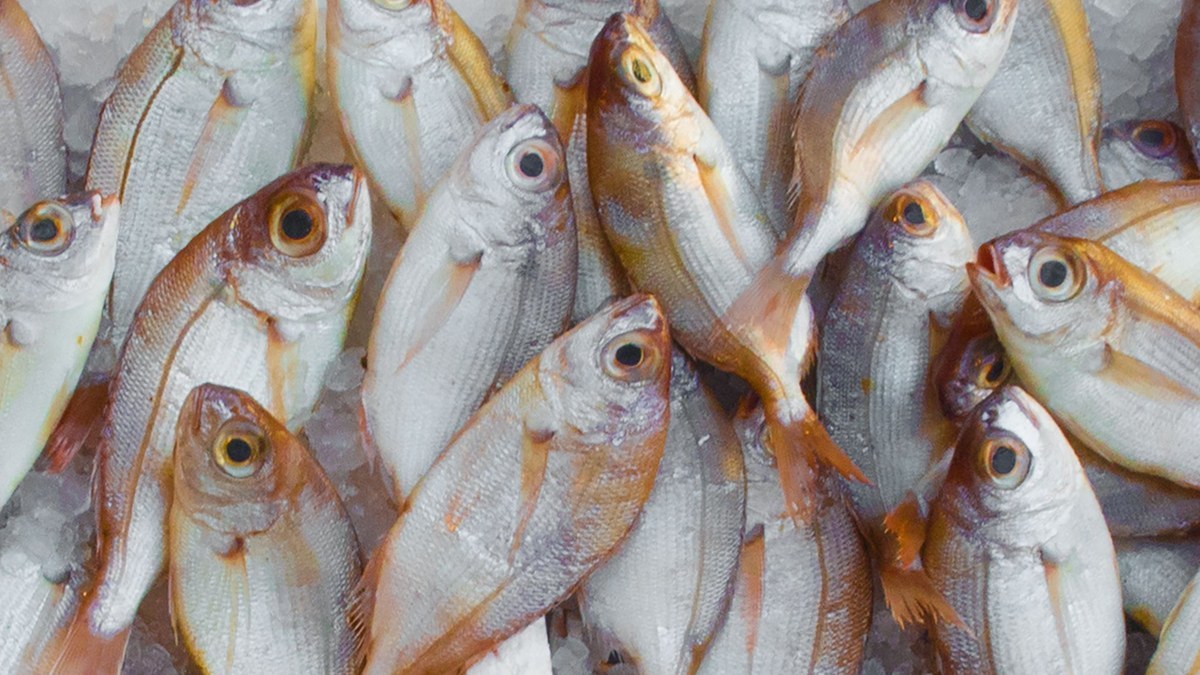
Arguineguín is an authentic fishing village between Maspalomas and Puerto de Mogán where fishing boats still lie in the harbour. Simple restaurants line the harbour promenade serving fresh grilled fish, squid, prawns and other seafood, with Canarian potatoes and green and red mojo sauce.
Many locals also come at lunchtime, when the choice is freshest. Ask for the catch of the day and get advice on what is in season. After the meal a stroll along the promenade is worthwhile, or you can drive on to Puerto de Mogán, only a few minutes away.
Tip: Locals come at lunchtime, when the choice is freshest. Ask for the catch of the day.
Sea & beaches
Pozo Izquierdo: wind- and kitesurfing
Travel time from the clubapprox. 25 min
Duration2–3 hours
Pozo Izquierdo
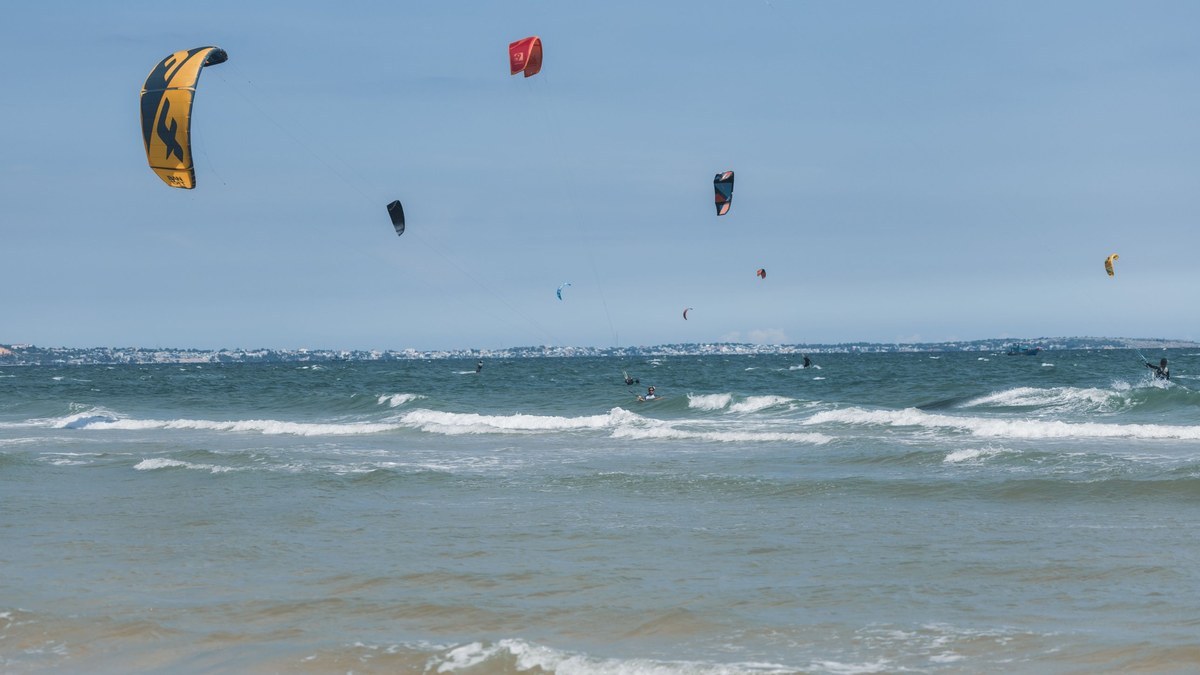
Pozo Izquierdo is a small coastal village on the east side of the island where a strong, steady wind blows. It is therefore a well-known spot for windsurfers and kitesurfers, who show spectacular jumps here in good conditions. Even without a board it is fascinating to watch the athletes from the shore.
The landscape is rugged and wide, with a dark rocky beach and a view of the open sea. There are simple restaurants in the village serving fresh fish. The summer months are usually windier. If you want to try it yourself, you will find schools with courses for beginners. A windproof jacket is worthwhile even on sunny days.
Tip: The summer months are windier. Local schools offer courses for beginners.
Sea & beaches
Boat trip and dolphin watching
Travel time from the clubapprox. 25 min
Duration2–4 hours
Puerto Rico / Arguineguín / Puerto de Mogán
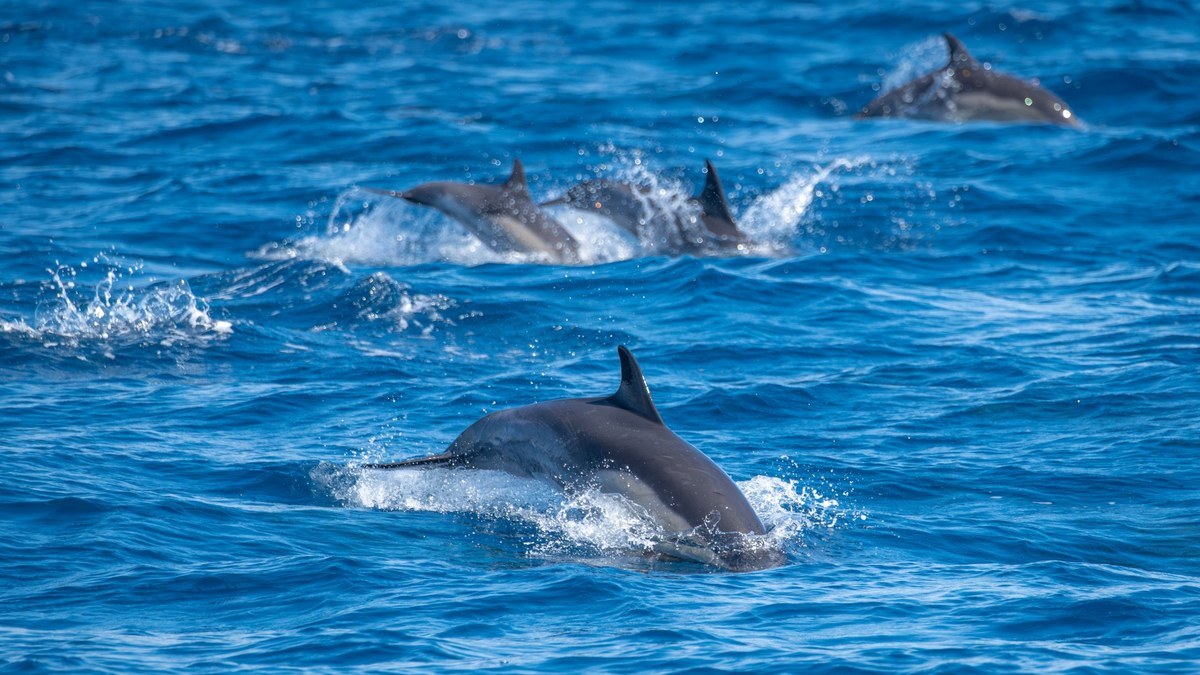
Catamarans, sailing boats and excursion boats set off from the harbours in the south-west, above all Puerto Rico, Arguineguín and Puerto de Mogán. Depending on the offer the trips last two to four hours and follow the coast past steep cliffs and small bays that are hard to reach from land.
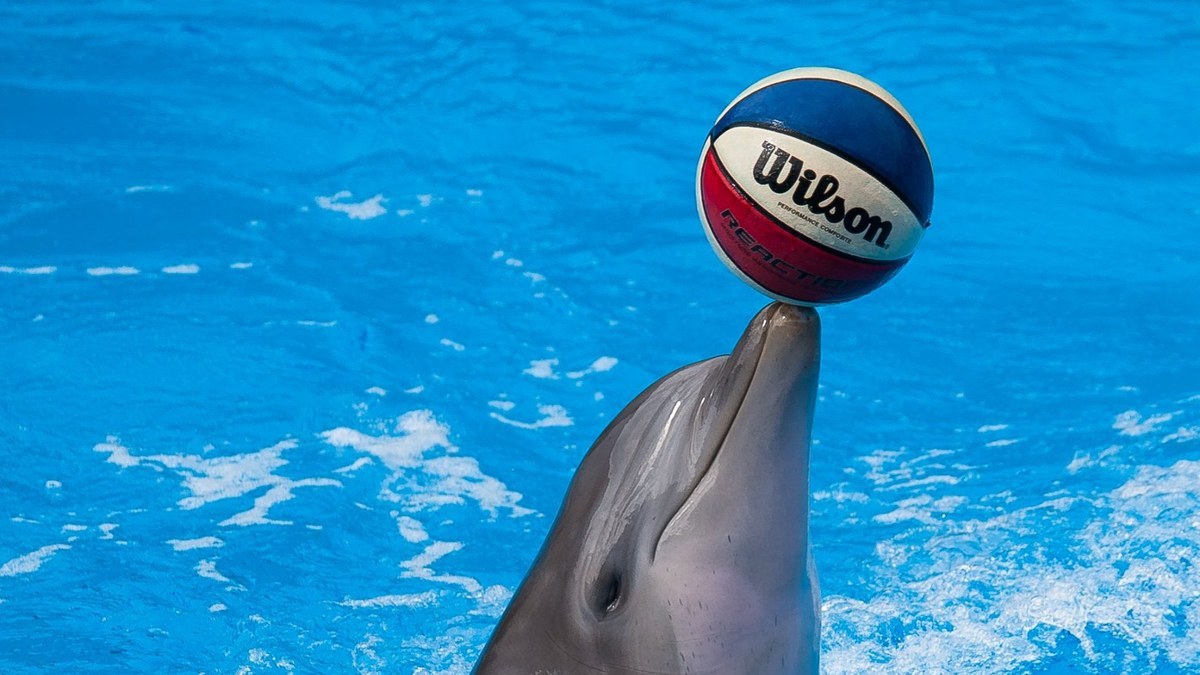
With a little luck dolphins or pilot whales accompany the boat, but there is no guarantee. Many tours include swimming stops, snorkelling and light refreshments. Choose reputable operators that keep their distance from the animals. Pack sun protection, swimwear and a light jacket; the sea can be rough. The map shows the harbour of Puerto Rico.
Tip: Bring sun protection and a light jacket. Choose reputable operators that do not harass the animals.
Sea & beaches
Diving and snorkelling
Travel time from the clubapprox. 25 min
Durationhalf a day
Arguineguín / Puerto de Mogán / Amadores
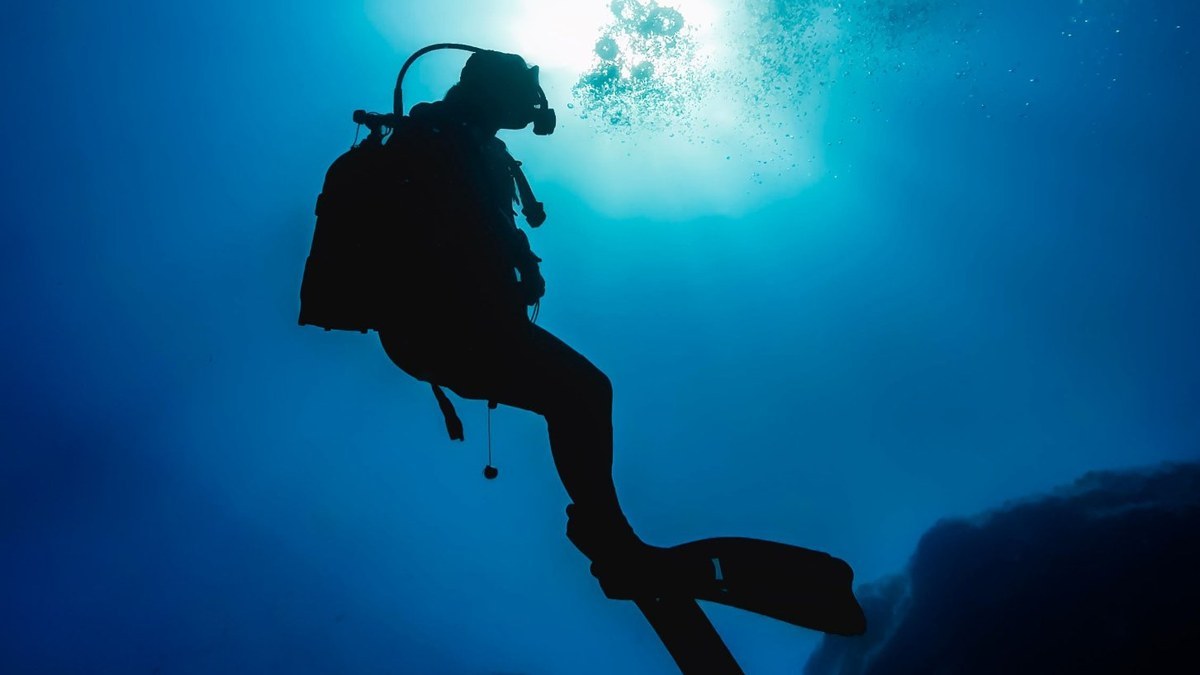
The south-west coast is considered a good area for diving and snorkelling: the water is usually clear and warm enough, rock formations and reefs offer a home to many fish. The dive schools in Arguineguín, Puerto Rico, Amadores and Mogán offer trial dives, guided dives for certified divers and snorkelling tours.
You need no prior experience for a trial dive; you are first briefed in shallow water. Ask beforehand about age limits and health requirements. The map shows the harbour of Arguineguín as a starting point; you will find further schools at the other harbours.
Tip: No prior experience is needed for a trial dive. Ask the dive school about age limits beforehand.
Family & leisure
Camel ride in the palm valley
Travel time from the clubapprox. 25 min
Durationapprox. 2 hours
La Baranda, Fataga
On the camel safari at La Baranda near Fataga you ride at a leisurely pace on the back of a camel through a valley of palms, cacti and rocks. The animals are calm and accompanied by guides, so beginners and children can ride along safely. The swaying feels unfamiliar but quickly becomes fun.
The ride itself usually lasts about 30 to 45 minutes; allow around two hours in total. Wear comfortable, closed clothing that covers your legs, plus sturdy shoes and sun protection. It is best to ask about times and age limits in advance. The trip combines nicely with a detour to the mountain village of Fataga.
Tip: Wear comfortable clothes covering your legs. Check times and age limits before you go.
Culture & villages
Fataga valley and Arteara
Travel time from the clubapprox. 35 min
Durationhalf a day
Fataga, Arteara
The road from Maspalomas to Fataga is one of the most beautiful on the island. It leads through the palm valley of the Fataga ravine, past rock faces, cacti and palm groves, up to the whitewashed mountain village of Fataga. Several viewpoints along the way invite you to stop for photos.
Fataga has small restaurants with Canarian cuisine and a peaceful village scene. Very close by is Arteara, a place with a palm oasis and a burial site of the island’s original inhabitants that gives an insight into the time before the Spanish conquest. The trip is easy to turn into a half-day tour, for example together with the camel safari or Palmitos Park.
Tip: Several viewpoints invite you to stop for photos. If you like, combine the trip with lunch in the village.
Culture & villages
Puerto de Mogán
Travel time from the clubapprox. 35 min
Durationhalf to full day
Puerto de Mogán
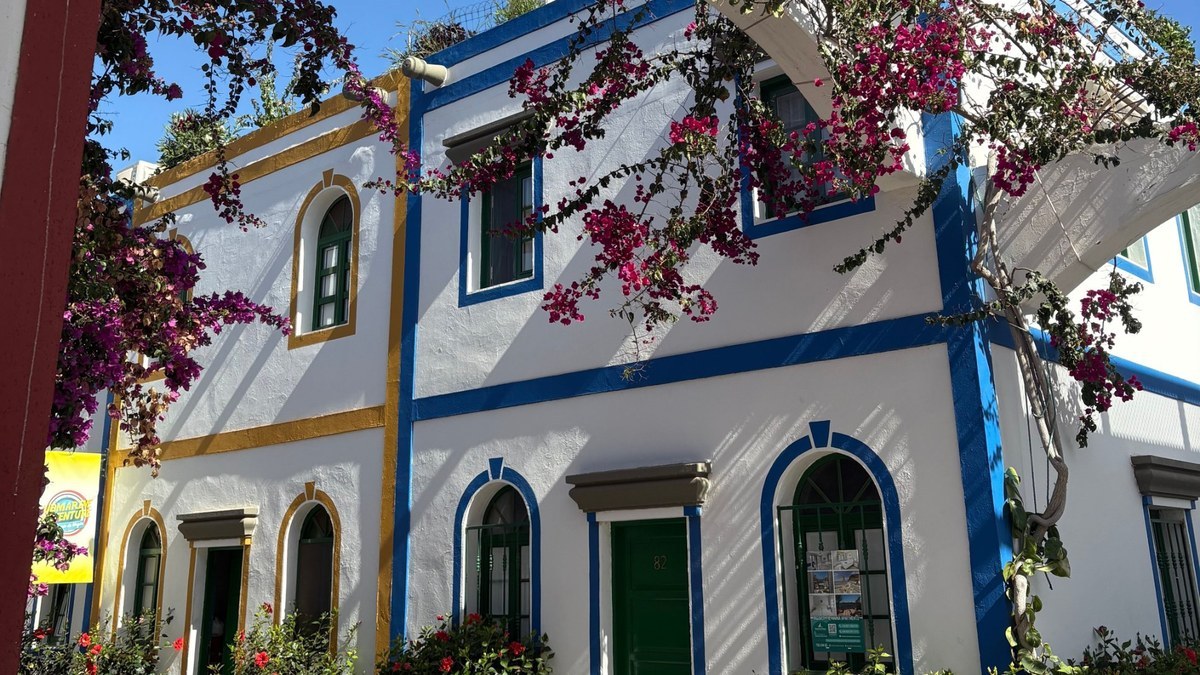
Puerto de Mogán is a harbour village in the south-west that is often called “Little Venice” because of its small canals, bridges and flower-covered houses. Sailing boats and catamarans lie in the marina, and restaurants serving fish and seafood as well as small shops line the promenade.
The weekly market takes place on Fridays, selling clothing, souvenirs and food. It is busy that day, so come early and use the car park at the edge of the village. Outside market hours the village is quieter, and the small beach right by the harbour is good for swimming. Excursion boats also start from here.
Tip: The market is busy on Fridays – arrive early and use the car park at the edge of the village.
Nature & hiking
Guayadeque ravine
Travel time from the clubapprox. 50 min
Durationhalf a day
Barranco de Guayadeque, Agüimes
The Guayadeque ravine is a deep gorge on the east side of the island that is known for its cave dwellings. The island’s original inhabitants lived and buried their dead in natural caves here, and farmers moved in later. Today some caves have been converted into restaurants and small museums where you can eat Canarian food in cool rock rooms.
Along the road and on hiking trails you see lush vegetation that is unusually green for the island, with almond, fig and olive trees. A stop in the village of Agüimes with its lovely old town, white houses and church is worthwhile on the way there or back. Allow half a day and wear sturdy shoes if you want to hike.
Tip: The village of Agüimes with its pretty old town is worth a stop on the way.
Culture & villages
Las Palmas: Vegueta old town and Las Canteras beach
Travel time from the clubapprox. 50 min
Durationfull day
Las Palmas de Gran Canaria
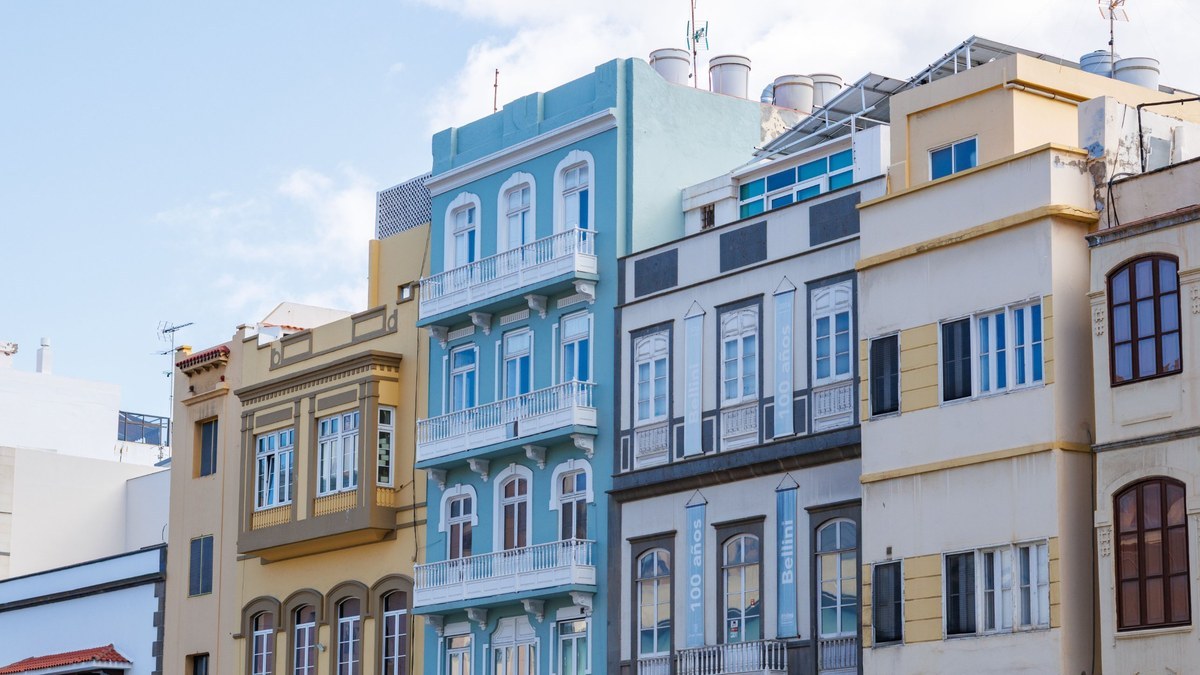
Las Palmas de Gran Canaria is the island capital and combines history, city life and beach. In the old town of Vegueta, the oldest district, you find Santa Ana cathedral, the Columbus House with its museum and many buildings in colonial style; the lanes invite you to stroll. The route leads to the cathedral.
Just a few kilometres further on lies Playa de las Canteras, a long city beach protected from strong waves by a natural rock reef. The promenade has countless cafés and restaurants. For families the Poema del Mar aquarium offers an insight into the marine world. Plan a whole day: the old town in the morning, tapas at lunchtime, the beach in the afternoon.
Tip: Old town in the morning, beach in the afternoon – an easy way to combine both.
Nature & hiking
Bandama volcanic crater
Travel time from the clubapprox. 55 min
Duration1–2 hours
Caldera de Bandama
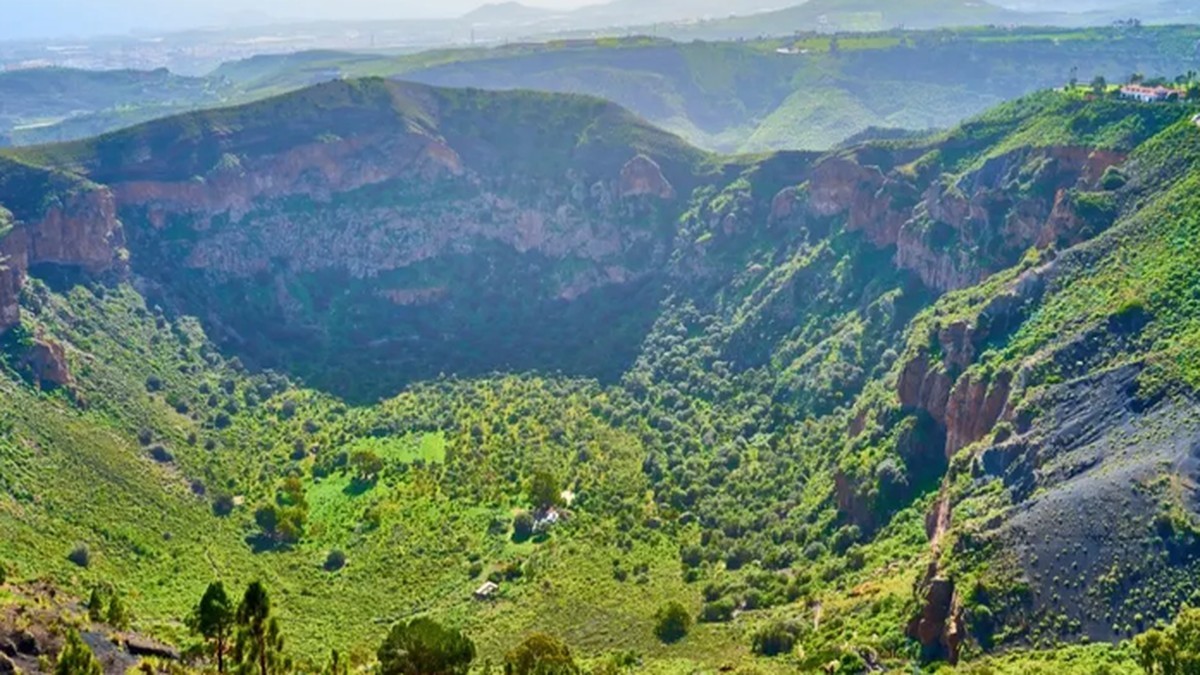
The Caldera de Bandama is a volcanic crater above Las Palmas surrounded by a circular path. On a clear day the crater rim offers a wide view over the east coast, the capital and the sea. Farming is carried out inside the crater, which gives it a special appearance.
The circular path along the rim is easy to walk and takes about one to two hours, depending on how often you stop for photos. The area is also known for wine: the nearby villages of Santa Brígida and Monte Lentiscal grow the island’s wines, and wineries and restaurants invite you to taste. A jacket is sensible as it can be windy at the top.
Tip: Combines well with a detour to the wine villages of Santa Brígida and Monte Lentiscal.
Food & drink
Arucas: church, rum and bananas
Travel time from the clubapprox. 1 h
Durationhalf a day
Arucas
Arucas in the north of the island is a town shaped by dark basalt architecture. Its landmark is the neo-Gothic church of San Juan Bautista, visible from afar with its tall towers of black stone. Bananas grow around the town and have long been among the island’s most important products.
The Arehucas distillery, one of the best-known rum brands of the Canaries, offers tours in which you learn how sugar cane becomes rum, and you may taste it. Book the visit in advance, especially in high season. If you like, afterwards visit the town park or eat in one of the restaurants in the centre. The route leads to the church.
Tip: Book the distillery visit in advance, especially in high season.
Nature & hiking
Hike to Roque Nublo
Travel time from the clubapprox. 1 h 15 min
Durationhalf a day
Roque Nublo, Tejeda
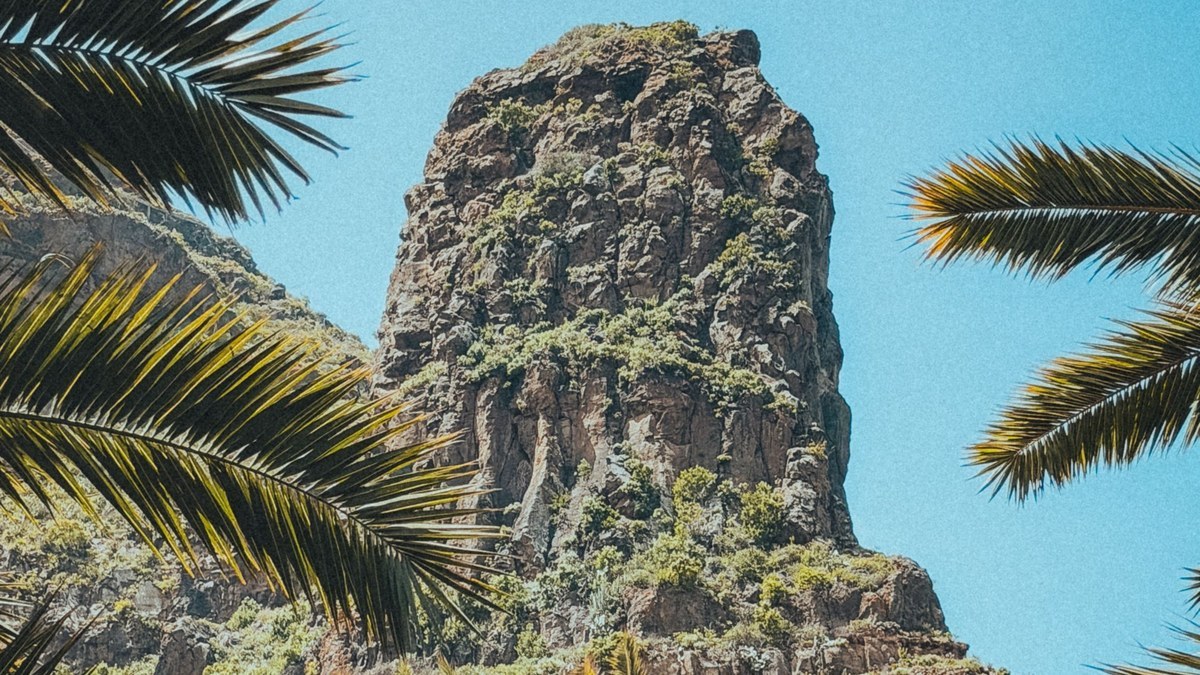
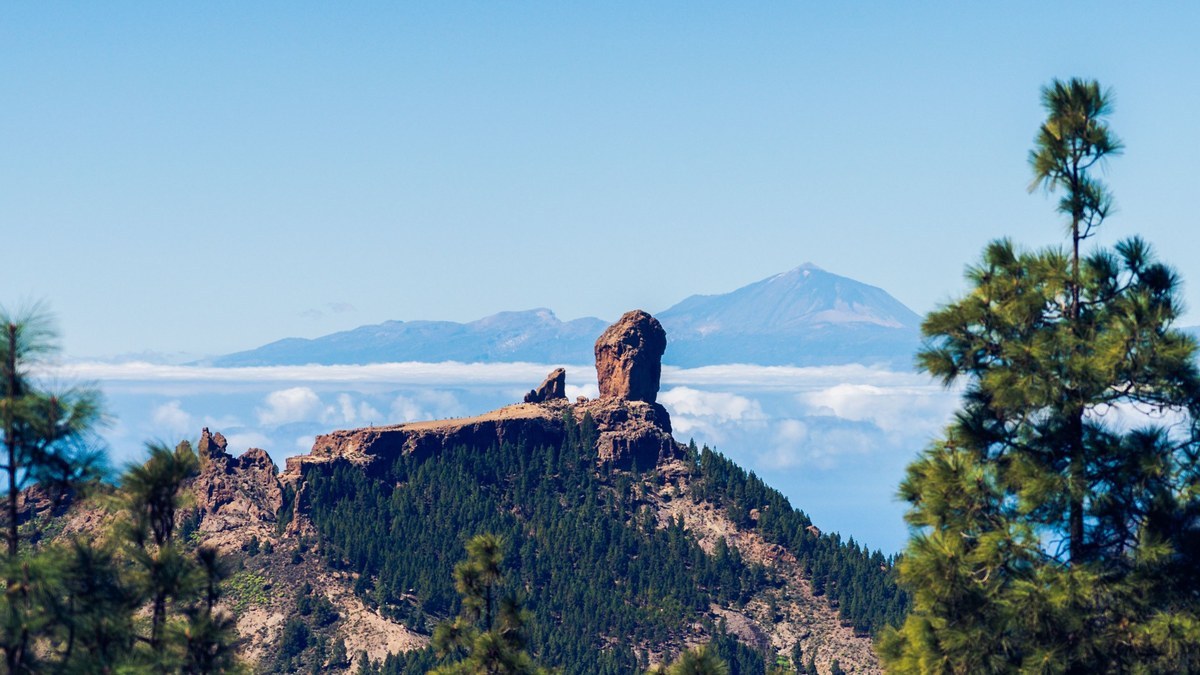
Roque Nublo is the landmark of Gran Canaria: a free-standing basalt rock of almost 1,800 metres that rises from the mountain landscape in the centre of the island. It was sacred to the original inhabitants. The hike from the La Goleta car park leads through pine forest and over rocky paths to the foot of the rock in about 45 minutes; allow a good one and a half to two hours for the round trip.
The path is not difficult but stony, so sturdy shoes are important. Start early: the car park fills up from midday and clouds often roll in. It is noticeably cooler at the top than on the coast, so pack a jacket, water and sun protection. On a clear day you can see as far as Teide on Tenerife. The drive there follows winding mountain roads.
Tip: Start early: the car park fills up at midday and clouds often roll in. Pack a jacket and sturdy shoes.
Culture & villages
Tejeda and Roque Bentayga
Travel time from the clubapprox. 1 h 15 min
Durationhalf to full day
Tejeda, Roque Bentayga
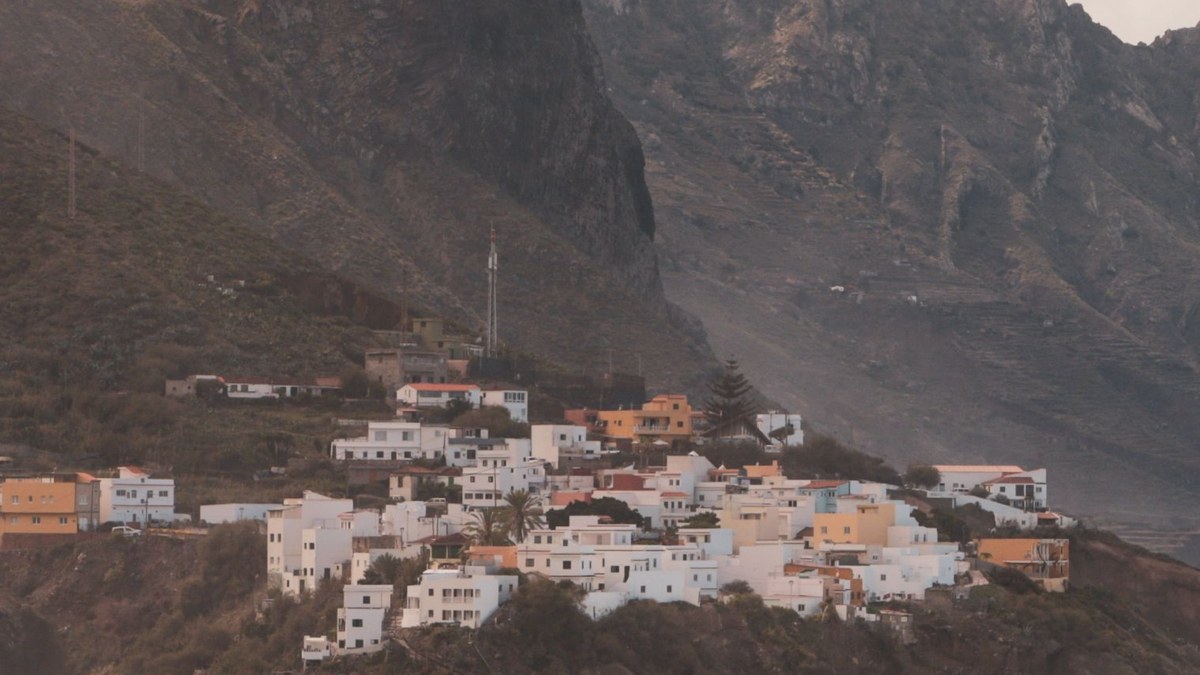
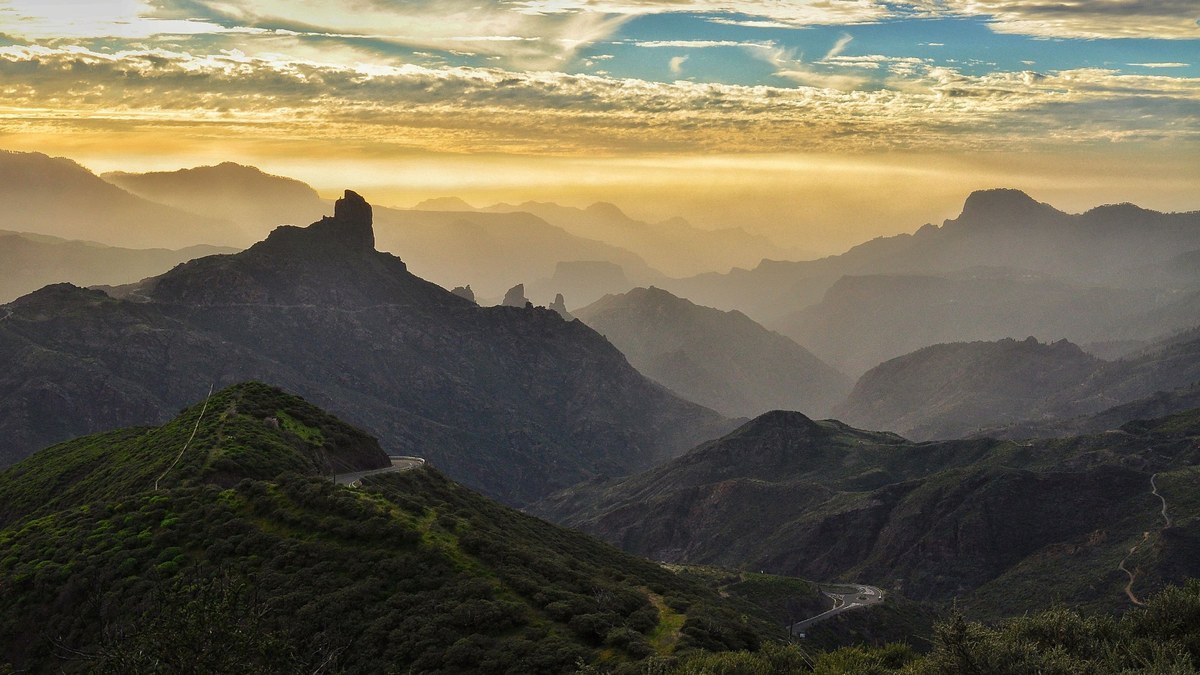
Tejeda is a mountain village in the centre of the island that is counted among the most beautiful villages in Spain. It lies impressively in a mountain landscape of steep slopes, white houses and almond trees. The almonds blossom in January and February, when the village is especially worth seeing. Almond pastry is typical and can be tasted in the pastry shops.
Very close by is Roque Bentayga, a rock massif that served the original inhabitants as a sacred site and is part of a UNESCO World Heritage site. A small visitor centre explains the history, and there are short paths to viewpoints. Allow half a day to a full day; the road is winding. The route leads to Tejeda.
Tip: The almond trees blossom in January and February – the trip is especially beautiful then.
Culture & villages
Teror: balcony houses and pilgrimage church
Travel time from the clubapprox. 1 h 15 min
Durationhalf a day
Teror
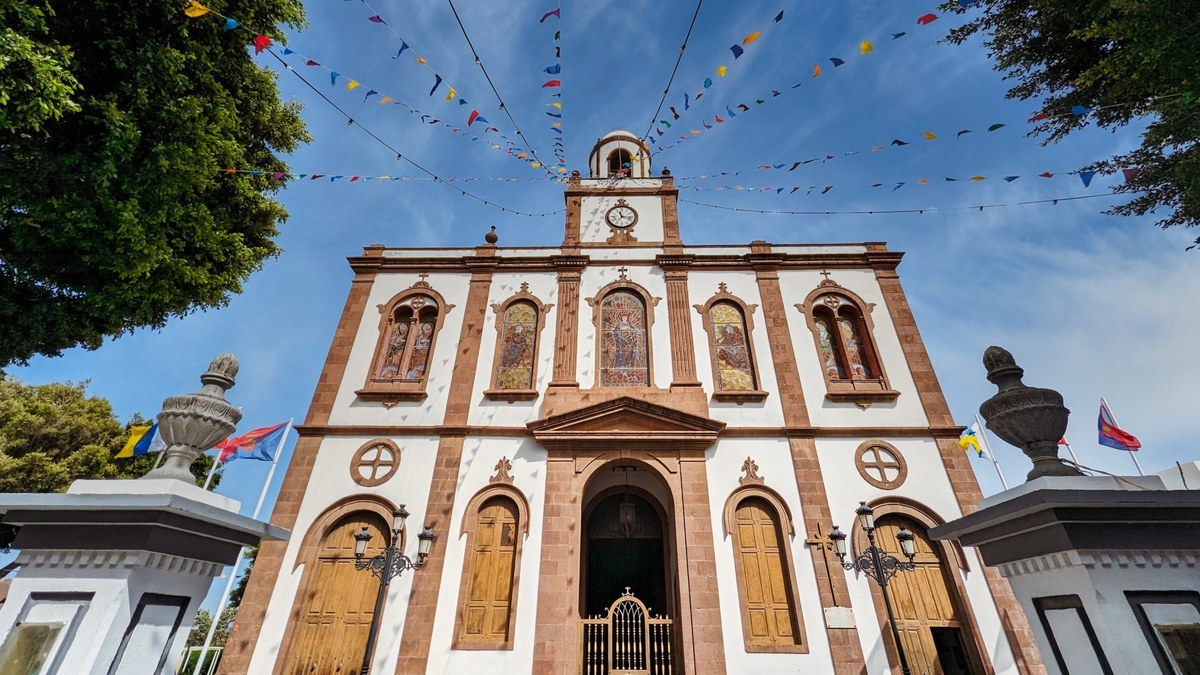
Teror is a historic town in the green interior of the island and, for many, the most beautiful place on Gran Canaria. Houses with carved wooden balconies stand between the lanes and give the town its special look. In the centre stands the Basilica of Our Lady of the Pine, dedicated to the island’s patron saint and an important destination for pilgrims.
On Sundays a large weekly market takes place, where you will find fruit, vegetables, local chorizo, cheese and crafts. It is busy that day, so come early. The town’s bakeries sell local pastries. Teror combines well with Arucas or a detour into the mountains. The route leads to the basilica.
Tip: Try the local chorizo and cheese at the market stalls.
Nature & hiking
Pico de las Nieves – the island’s highest point
Travel time from the clubapprox. 1 h 20 min
Duration2–3 hours
Pico de las Nieves
At around 1,950 metres, Pico de las Nieves is the highest point on the island. The road leads almost to the summit, from where it is only a short walk to a viewpoint. In good visibility you can survey almost the whole island with its gorges, mountains and the sea, and see as far as Teide on Tenerife.
The drive follows winding mountain roads, so allow plenty of time. It is noticeably cooler at the top than on the coast, and clouds sometimes hang around the summit; in that case a second attempt on another day is worthwhile. The trip combines well with Roque Nublo and lunch in Tejeda. Bring a jacket.
Tip: It is noticeably cooler at the top than on the coast. The drive leads along winding mountain roads.
Sea & beaches
Agaete and Puerto de las Nieves
Travel time from the clubapprox. 1 h 30 min
Durationfull day
Agaete, Puerto de las Nieves
In the north-west of the island lies the fertile Agaete valley where fruit and coffee grow; it is one of the few coffee-growing regions in Europe. Agaete itself is a pretty village with white houses and flowers. A few minutes away lies Puerto de las Nieves, a small fishing harbour with a promenade, restaurants and a chapel containing a famous altarpiece.
Particularly beautiful are the natural lava-rock swimming pools of Las Salinas, fed by the sea. They are closed when the sea is rough, so check conditions beforehand. The ferries to Tenerife leave from here. The journey is long, so plan a whole day and start early. The route leads to Puerto de las Nieves.
Tip: The natural pools are often closed when the sea is rough – check conditions beforehand.
Culture & villages
Traces of the original inhabitants: Gáldar and Cenobio de Valerón
Travel time from the clubapprox. 1 h 30 min
Durationhalf to full day
Gáldar, Cenobio de Valerón
Before the Spanish conquest Gáldar was the capital of the kingdom of the island’s original inhabitants in the north. In the Cueva Pintada archaeological park you can visit a painted cave with geometric patterns and the remains of the village, and a museum clearly explains the everyday life and culture of the original inhabitants. The route leads to the Cueva Pintada.
A little further east lies the Cenobio de Valerón, a granary of countless caves in a steep rock face that the original inhabitants used communally. You climb up steps on foot, with a view far across the land. The two sites are close together and easy to combine in one day. Because of the long journey, plan an early start.
Tip: The two sites are close together and easy to combine in one day.
Food & drink
Discover Canarian cuisine
Travel time from the clubüberall auf der Insel
Durationas you like
Canarian cuisine is simple, fresh and full of flavour. The classic is papas arrugadas, small potatoes boiled in salted water until their skin wrinkles, served with green and red mojo sauce. Add gofio, a roasted grain flour used in many dishes, goat cheese and fresh grilled fish.
Also try ropa vieja, a stew with chickpeas, and sancocho, a fish stew. For dessert there is bienmesabe, an almond cream, or quesillo, a flan made with condensed milk. A wine from the island goes well with it. Small family-run restaurants away from the tourist centres are especially authentic. Reception will gladly give you recommendations for where locals eat too.
Tip: Ask at reception for recommendations of restaurants where locals eat too.
To create the PDF, place search, route and map tiles are loaded from OpenStreetMap services (Nominatim, OSRM/FOSSGIS, tile.openstreetmap.org). Your IP address is transmitted to these servers.
All details are approximate. Opening times, prices and availability change – please check with the provider before you set out.